Okuma GENOS L2000-e
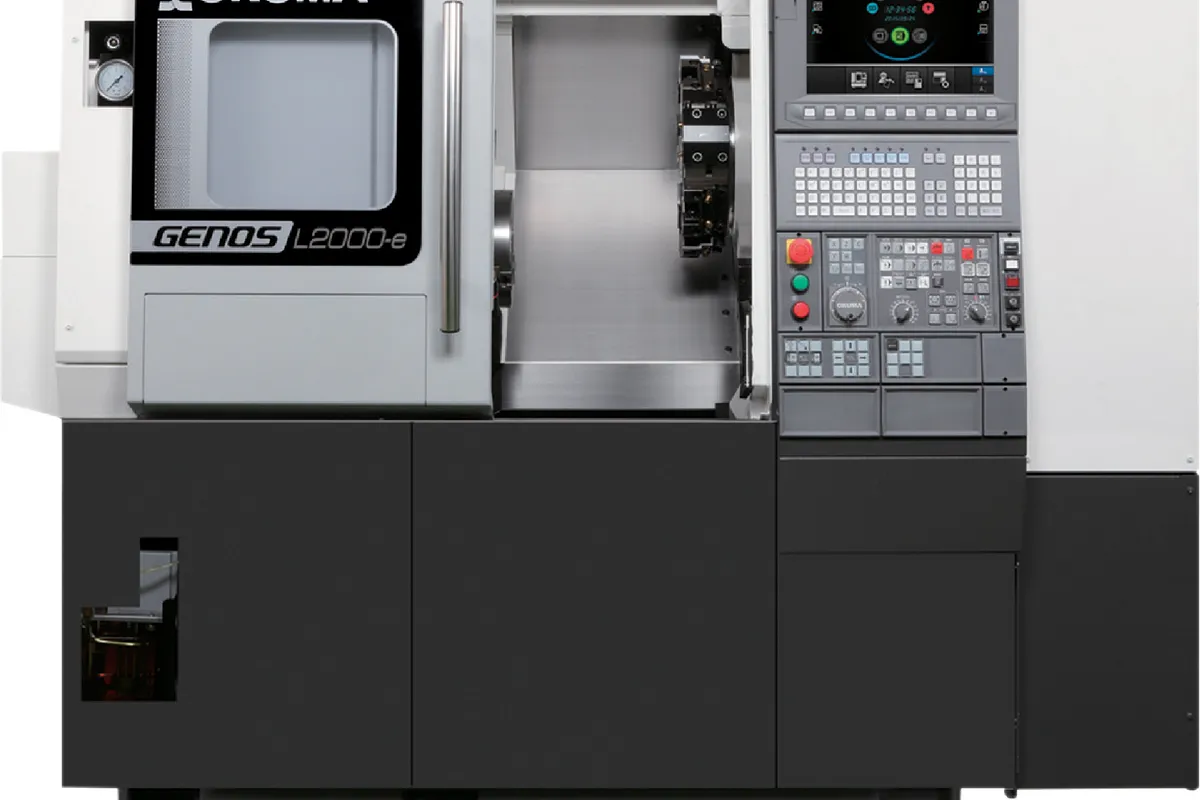
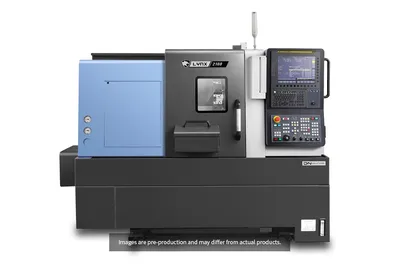
Image: d30jruhmdicmo0.cloudfront.net, Okuma
Key Specifications
Rapid Traverse
Spindle Power
Max Turn Length
max turning diameter
spindle nose
bar capacity
How much does the Okuma GENOS L2000-e cost?
Estimated price range
Our best estimate for a cnc lathes / turning center in this class — not a quote from Okuma. Configuration moves it a long way.
Overview
The Okuma GENOS L2000-e is a small-envelope turning center: 230 mm (9.06 in) of maximum turning diameter, 500 mm (19.69 in) of maximum turning length and a 45–5,000 rpm spindle on a JIS A2-6 nose. Okuma lists a 51 mm (2 in) bar capacity, so it can be run from a bar feeder as well as from the chuck.
Spindle power is 15 kW (20 hp) on the 20 min rating and 11 kW (15 hp) continuous. Plan long roughing passes around the continuous figure and treat the 20 min figure as headroom for short heavy cuts. A 5,000 rpm top speed is what small work needs: on bar near the 51 mm (2 in) limit and below, surface speed depends on rpm far more than on power.
Two rows should be read together. Maximum turning length is 500 mm (19.69 in), yet Z-axis travel is listed as 380 mm (15 in). A part near the full listed length cannot be covered end to end by a 380 mm stroke, so ask Okuma how the 500 mm figure is defined before quoting a long shaft. Rapid traverse is given as 25/30 m/min (82.03, 98.43 fpm), a pair of figures with no axis named on the row.
Among its relatives, the GENOS L250II turns a larger diameter, 280 mm (11.02 in), but only 290 mm (11.42 in) of length, with 11 kW (15 hp). The GENOS L400II matches the 500 mm (19.69 in) length, reaches 330 mm (12.99 in) in diameter and steps up to a JIS A2-8 nose, again with 11 kW (15 hp). That leaves the L2000-e as the slimmest of the three and the one with the most listed spindle power.
Full Specifications
| Parameter | Value |
|---|---|
| Max Turning Diameter | 230 mm (9.06 in) |
| Max Turning Length | 500 mm (19.69 in) |
| Spindle Motor Power | 15 kW (20 hp) |
| Spindle Nose | JIS A2-6 |
| Bar Capacity | 51 mm (2 in) |
| Z Axis Travel | 380 mm (15 in) |
| Rapid Traverse Rate | 25/30 m/min (82.03, 98.43 fpm) |
| Power 20 Min | 15 kW (20 hp) |
| Power Cont | 11 kW (15 hp) |
| Spindle Speed | 45–5,000 rpm |
Specifications sourced from okuma.com — verified 2026-10-03
Strengths & Limitations
Strengths
- 15 kW (20 hp) on the 20 min rating and 11 kW (15 hp) continuous, more listed power than the 11 kW (15 hp) GENOS L250II
- 45–5,000 rpm speed range keeps surface speed up on small diameters
- 51 mm (2 in) bar capacity through a JIS A2-6 spindle nose
- 500 mm (19.69 in) maximum turning length, the same figure as the larger GENOS L400II
- Rapid traverse listed as 25/30 m/min (82.03, 98.43 fpm)
Limitations
- Maximum turning diameter is 230 mm (9.06 in); the GENOS L250II reaches 280 mm (11.02 in) and the GENOS L400II 330 mm (12.99 in)
- Z-axis travel of 380 mm (15 in) is shorter than the 500 mm (19.69 in) maximum turning length, so long parts need checking with Okuma
- Bar work stops at 51 mm (2 in); larger stock has to be loaded as cut blanks
- Okuma's headline rows give no chuck size, turret station count or machine weight for this model
Best For
Frequently Asked Questions
01
Okuma lists a maximum turning diameter of 230 mm (9.06 in) and a maximum turning length of 500 mm (19.69 in). Z-axis travel is listed as 380 mm (15 in), which is shorter than the turning length, so confirm with Okuma how a full-length part is handled. Bar capacity is 51 mm (2 in).
02
15 kW (20 hp) on the 20 min rating and 11 kW (15 hp) continuous, with a speed range of 45–5,000 rpm on a JIS A2-6 spindle nose. Use the continuous figure when estimating long roughing cuts.
03
Bar capacity is 51 mm (2 in). Stock above that has to be loaded as cut blanks in the chuck, up to the 230 mm (9.06 in) maximum turning diameter. Okuma's headline rows do not give a chuck size for this model.
04
The GENOS L250II is listed at 280 mm (11.02 in) of diameter and 290 mm (11.42 in) of length with 11 kW (15 hp) on a JIS A2-6 nose. The GENOS L400II is 330 mm (12.99 in) by 500 mm (19.69 in) with 11 kW (15 hp) on a JIS A2-8 nose. The GENOS L2000-e has the smallest diameter, 230 mm (9.06 in), and the highest power, 15 kW (20 hp).
Videos

Okuma Europe GmbH

Okuma Europe GmbH

Okuma Europe GmbH

CNC Exchange
Community Discussions
Troubleshooting and problem-solving
Links to community discussions. Summaries are editorial — visit the original thread for full context.
Comparisons
More from Okuma
Other CNC Lathes / Turning Centers
Accuway UT-300L
Johnford ST-240B
Citizen Miyano GN-3200W
DN Solutions PUMA DNT 2600 L
DN Solutions LYNX 2600 Y