GF Machining CHARMILLES LASER P 400
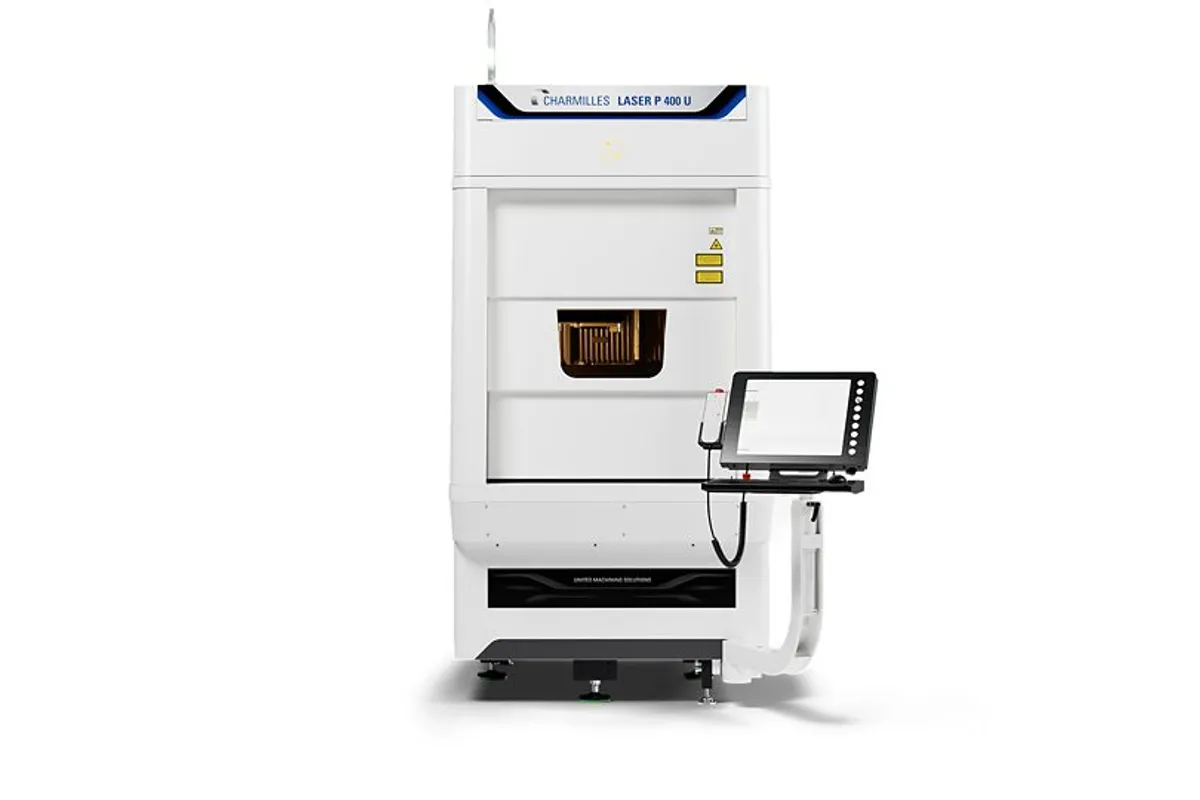
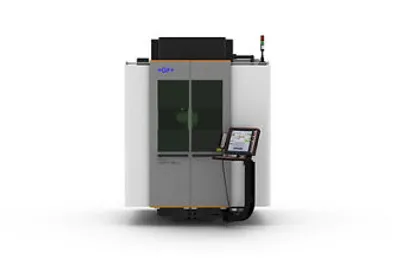
Image: assets.georgfischer.com, GF Machining Solutions
Key Specifications
Table Size
x y z travel
max workpiece size 3 axis
max workpiece size 5 axis
max workpiece weight 3 axis
max workpiece weight 5 axis
How much does the GF Machining CHARMILLES LASER P 400 cost?
Estimated price range
Our best estimate for a cnc laser cutting machine in this class — not a quote from GF Machining Solutions. Configuration moves it a long way.
Overview
The CHARMILLES LASER P 400 is a compact laser texturing machine with 600 x 400 x 300 mm of X, Y and Z travel over a 680 x 400 mm table. In its base 3-axis form it takes workpieces up to 600 x 400 x 300 mm and 50 kg, and the figures here are the listed ones.
Rotary axes are an option on this model, listed as A: 115° to -105° and B: 360°. With them fitted, the 5-axis work zone is Ø 120 x 120 mm and 4 kg. The rotary package is therefore for small parts that need texture on several faces, while the 3-axis machine handles plates and inserts across the whole table.
The laser can be a nanosecond source, an ultrashort pulsed source, or both, and the spot size ranges from 15 to 50 µm. The small end of that range resolves fine micro-structures and sharp pattern edges; the larger spot covers area faster on coarser textures.
The machine is small for a laser cell: 1,227 x 1,659 x 2,379 mm, 2.04 m² of floor space and 2400 kg. It needs 3 x 400 VAC + ground at 6 kVA and compressed air at 6 bar and 500 l/min.
Full Specifications
| Parameter | Value |
|---|---|
| X Y Z Travel | 600 x 400 x 300 mm |
| Max Workpiece Size 3 Axis | 600 x 400 x 300 mm |
| Max Workpiece Size 5 Axis | Ø 120 x 120 mm |
| Max Workpiece Weight 3 Axis | 50 kg |
| Max Workpiece Weight 5 Axis | 4 kg |
| Rotary Axes Optional | A: 115° to -105° / B: 360° |
| Spot Size Range | 15 – 50 µm |
| Electrical Requirements | 3 x 400 VAC + ground, 6 kVA |
| Pneumatic Requirements | 6 bar, 500 l/min |
| Machine Dimensions W X D X H | 1,227 x 1,659 x 2,379 mm |
| Dimension of Complete Equipment | 1227 x 1659 x 2379 mm |
| Machine Weight | 2400 kg |
| Floor Space | 2.04 mq |
| Maximum Workpiece Dimensions 3ax 5ax | 600 x 400 x 300 / Ø 120 x h 120 mm |
| Maximum Workpiece Weight 3ax 5ax | 50/4 kg |
| Table Size | 680 x 400 mm |
| Travel X Y Z | 600 x 400 x 300 mm |
| Rotary 4 5 Axis | A 115°-105°/B 360° mm |
| Laser Sources | Multi-Laser sources: nanosecond and/or ultrashort pulsed laser ** |
| Power Consumption | Electrical: 3 x 400 Vac + ground; 6 kVA Pneumatic: 6 bars 500 l/min |
Specifications compiled from manufacturer literature and industry references. Not independently verified against a published spec sheet — confirm with the manufacturer or an authorised dealer before making a purchasing decision.
Strengths & Limitations
Strengths
- 600 x 400 x 300 mm of travel on a 1,227 x 1,659 mm footprint
- Spot size from 15 to 50 µm for both fine and coarse textures
- Nanosecond and/or ultrashort pulsed sources on one machine
- Optional rotary axes, A 115° to -105° and B 360°, for 5-axis work
- 3-axis workpieces up to 50 kg on a 680 x 400 mm table
Limitations
- 300 mm of Z travel limits tall parts
- With the optional rotary axes, 5-axis parts are limited to Ø 120 x 120 mm and 4 kg
- Rotary axes are optional, so the base machine works in 3 axes only
- Needs compressed air at 6 bar and 500 l/min as well as a 6 kVA three-phase supply
Best For
Frequently Asked Questions
01
Not in its base form. The rotary axes are optional, listed as A: 115° to -105° and B: 360°. With them fitted, 5-axis workpieces are limited to Ø 120 x 120 mm and 4 kg; in 3-axis work the limit is 600 x 400 x 300 mm and 50 kg.
02
The listed spot size range is 15 – 50 µm. Use the small spot for fine micro-textures and sharp pattern edges, and the larger spot where the texture is coarse and area coverage sets the cycle time.
03
The listing describes multi-laser sources: a nanosecond source, an ultrashort pulsed source, or both. Nanosecond pulses suit faster removal, while ultrashort pulses put less heat into the part and suit fine finishes.
04
3 x 400 VAC + ground at 6 kVA, air at 6 bar and 500 l/min, and 2.04 m² of floor space. The machine measures 1,227 x 1,659 x 2,379 mm and weighs 2400 kg.
Videos

UNITED MACHINING

UNITED MACHINING

United Machining (USA)

Le Répertoire de la Machine Outil
More from GF Machining Solutions
Other CNC Laser Cutting Machines
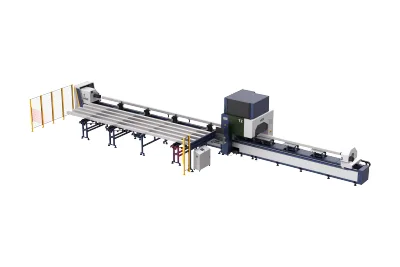
HSG T2
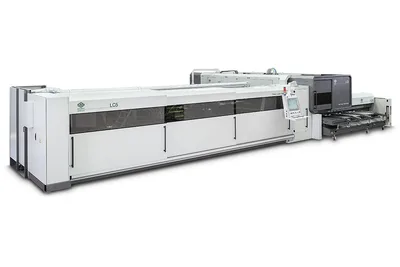
BLM Group LC5
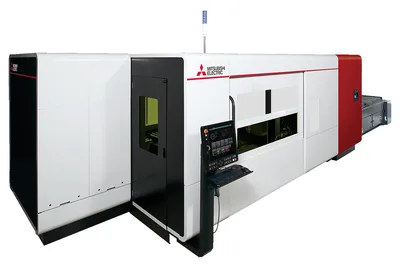
Mitsubishi Electric GX-F
Penta Laser WPL6028 / 9028
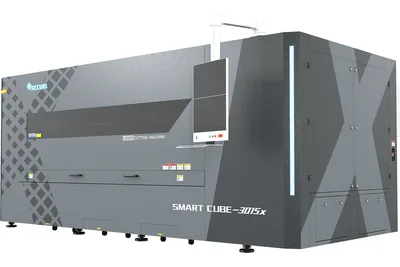
Accurl SMART Cube X 1001.20