Okuma LU3000 EX
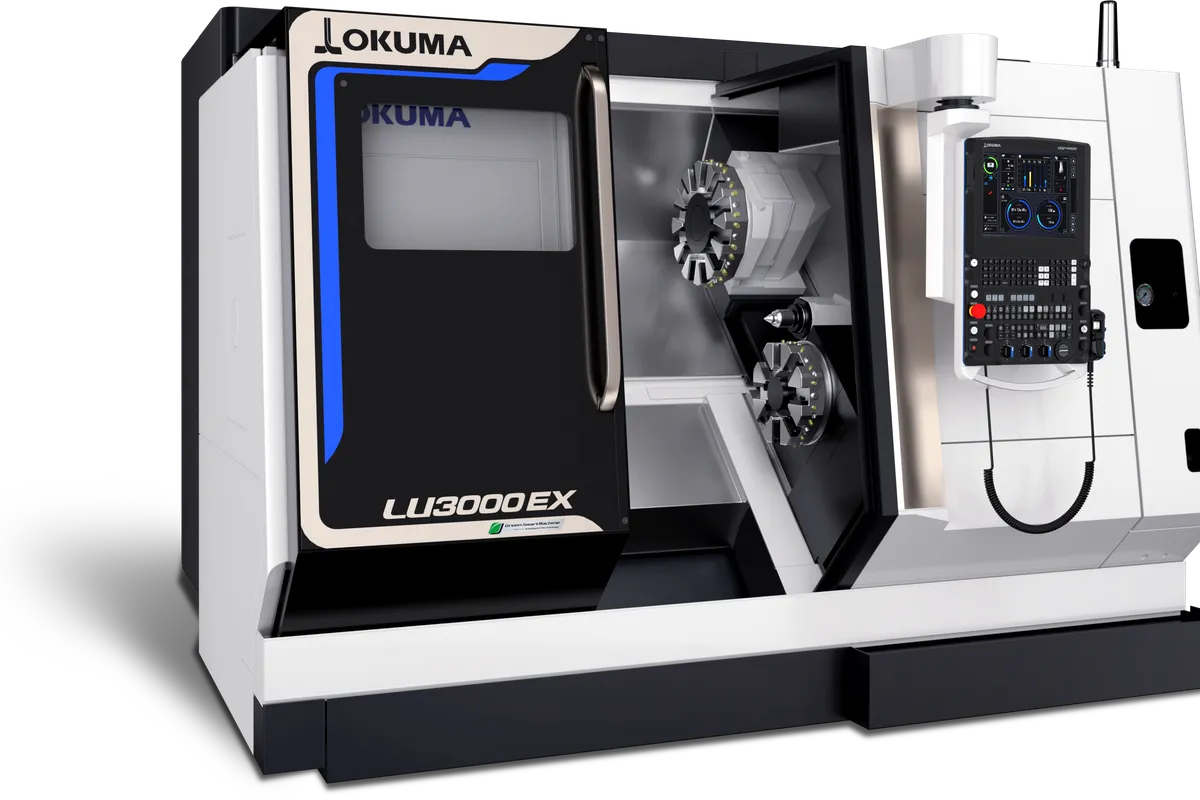
Image: d30jruhmdicmo0.cloudfront.net, Okuma
Key Specifications
Rapid Traverse
Spindle Power
Max Turn Length
max turning diameter
spindle nose
spindle speed
How much does the Okuma LU3000 EX cost?
Estimated price range
Our best estimate for a cnc lathes / turning center in this class — not a quote from Okuma. Configuration moves it a long way.
Overview
The Okuma LU3000 EX is a mid-size CNC lathe with a 410 mm (16.14 in) maximum turning diameter and a 22/15 kW (30/20 hp) spindle, offered in three turning lengths and with three spindle noses. The standard turning length is 350 mm (13.78 in); 600 and 1,000 mm (23.63 and 39.37 in) are the bracketed options.
The spindle is specified the same way. The standard nose is A2-6 with a 50 to 5,000 rpm range, and the options are A2-8 and A2-11 noses and ranges of 42 to 4,200 rpm and 30 to 3,000 rpm. The table lists noses and ranges in the same order, which suggests each larger nose takes the next lower range, but it does not state the pairing. Decide the nose from the chuck and bar size you need, then check what top speed is left.
Rapid traverse is 25 / 30 m/min (984/1,181 ipm). A buyer weighing this model against the LU4000 EX should look at length and power: the LU4000 EX lists 1,250 mm (49.21 in) of turning length and a 32/22 kW (43/30 hp) option, where the LU3000 EX stops at 1,000 mm and 22/15 kW.
Full Specifications
| Parameter | Value |
|---|---|
| Max Turning Diameter | 410 mm (16.14 in) |
| Max Turning Length | 350 [600; 1,000] mm (13.78 [23.63, 39.37] in) |
| Spindle Motor Power | 22/15 kW (30/20 hp) |
| Spindle Nose | A2-6 [A2-8, A2-11] |
| Rapid Traverse Rate | 25 / 30 m/min (984/1,181 ipm) |
| Spindle Speed | 50–5,000 [42–4,200, 30–3,000] rpm |
Specifications sourced from okuma.com — verified 2026-10-03
Strengths & Limitations
Strengths
- Three turning lengths: 350 mm (13.78 in) standard, with 600 and 1,000 mm (23.63 and 39.37 in) options
- Spindle nose can be A2-6, A2-8 or A2-11, with speed ranges up to 5,000, 4,200 or 3,000 rpm
- Rapid traverse of 25 / 30 m/min (984/1,181 ipm), the same as the larger LU4000 EX
- The standard spindle reaches 5,000 rpm, above the 4,200 rpm of the LU4000 EX
Limitations
- Spindle power is 22/15 kW (30/20 hp) with no higher option listed; the LU4000 EX offers 32/22 kW (43/30 hp)
- The standard turning length is only 350 mm (13.78 in); longer work needs the 600 or 1,000 mm option
- The larger A2-8 and A2-11 noses are options, and the lower 4,200 and 3,000 rpm ranges are listed alongside them
Best For
Frequently Asked Questions
01
350 mm (13.78 in) is the standard maximum turning length. Okuma lists 600 mm (23.63 in) and 1,000 mm (39.37 in) in brackets as options. Maximum turning diameter is 410 mm (16.14 in) in each case.
02
The standard nose is A2-6 and the standard speed range is 50 to 5,000 rpm. A2-8 and A2-11 noses are listed as options, along with 42 to 4,200 rpm and 30 to 3,000 rpm ranges. The table lists them in the same order, which suggests each larger nose goes with the next lower range; confirm the pairing when you specify the machine. Power is 22/15 kW (30/20 hp).
03
The LU4000 EX is larger: 480 mm (18.90 in) turning diameter and 1,250 mm (49.21 in) turning length, with an optional 32/22 kW (43/30 hp) spindle. The LU3000 EX turns 410 mm (16.14 in), is rated 22/15 kW (30/20 hp) and runs faster, to 5,000 rpm against 4,200 rpm on the LU4000 EX. Both list 25/30 m/min rapid traverse.
Videos

Okuma America Corporation

Okuma Europe GmbH
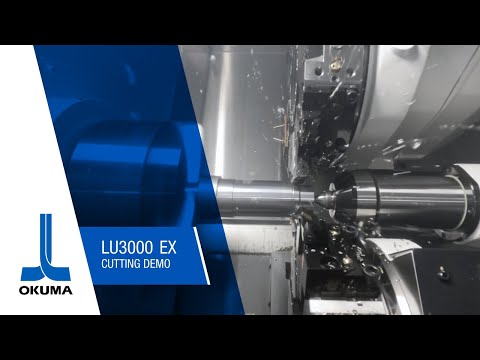
Okuma America Corporation

Morris
Community Discussions
Links to community discussions. Summaries are editorial — visit the original thread for full context.
More from Okuma
Other CNC Lathes / Turning Centers
Accuway UT-600L
Johnford ST-70BH
Hardinge Conquest GT 27
Accuway UV-55E
Ganesh GTW-30 CNC